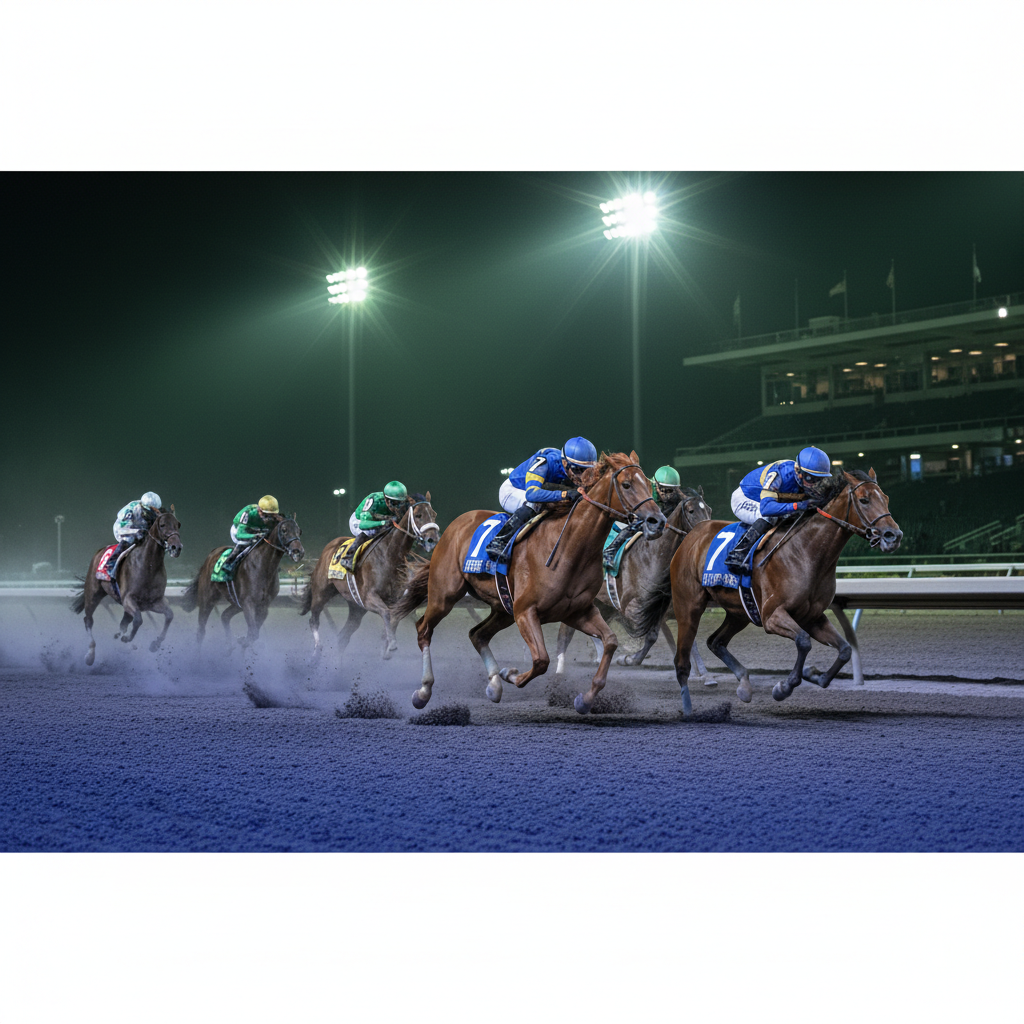
The Smart Bettor’s Checklist: What to Review Before Every Race
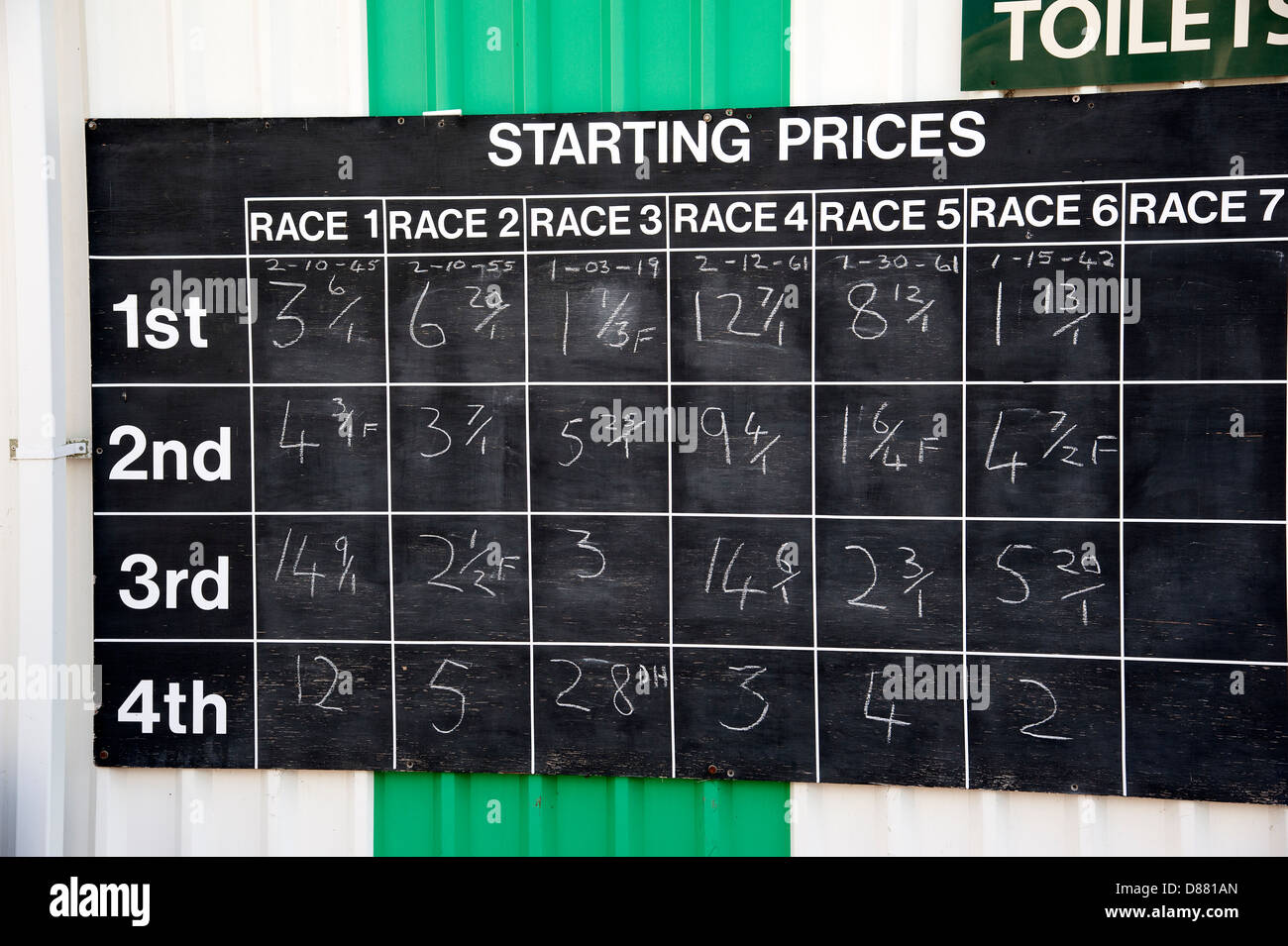
Introduction: Why a Pre-Race Checklist Is Critical (300 words)
Whether you’re new to horse racing or trying to turn the corner from casual player to profitable bettor, one truth remains: successful wagering requires structure and discipline. According to data from TwinSpires, bettors who engage in strategic, data-based analysis average up to 23% better ROI than those who wager informally or emotionally.
Winging it doesn’t work. Recreational fans who glance at the tote board five minutes before post time, throw 20 bucks on a hunch, and cross their fingers are feeding the very system that sharp bettors profit from.
To consistently win at horse racing, you need a repeatable evaluation framework. That’s where this checklist shines: it guides you through the essential components to review before placing any bet. Each area — from horse form and trainer intent to pace dynamics and surface preference — provides a puzzle piece. When combined properly, you’re building a case based on probability and edge, not guesswork.
This definitive guide breaks down every pre-race element into actionable steps, so you can walk into every race — whether at Churchill Downs or via your smartphone — with eyes wide open and confidence high.
To connect this resource to the broader betting strategy, be sure to read the full foundational guide: “How to Bet on Horse Racing – The Complete Beginner to Intermediate System”.
But for now, bookmark this page. Think of it as your trackside mentor in checklist form — because the smart bettor doesn’t bet spontaneously; they bet systematically.
The Basics (400 words)
Before diving into form analysis or track tendencies, it’s crucial to understand the types of bets available, how to read odds, and how much risk you’re taking on per wager.
Core Wager Types
| Bet Type | Description | Risk Level | Payout Level |
|---|---|---|---|
| Win | Horse must finish 1st | Low | Low |
| Place | Horse must finish 1st or 2nd | Very Low | Very Low |
| Show | Horse must finish 1st, 2nd, or 3rd | Lowest | Low |
| Exacta | Pick 1st and 2nd in exact order | Medium | Medium-High |
| Trifecta | Pick 1st, 2nd, 3rd in exact order | High | High |
| Superfecta | Pick 1st, 2nd, 3rd, 4th in exact order | Very High | Very High |
| Daily Double | Pick winners of two consecutive races | Moderate | Good |
| Pick 3/4/6 | Pick winners of 3, 4, or 6 consecutive races | Very High | Huge |
Winning with straight wagers (Win, Place, Show) is the best entry point for beginners. They’re easier to track, evaluate and don’t require advanced ticket structuring.
More advanced bettors often venture into exotic wagers (Exacta, Trifecta, Pick 3, etc.) to chase bigger payouts — but they also come with increased difficulty and risk.
Reading the Odds
Odds reflect both market confidence and track takeout. For example:
- 2-1 odds = Bet $1 to win $2 profit ($3 total return).
- 5-2 odds = Bet $2 to win $5 profit ($7 total return).
Odds also change frequently based on public wagering. Morning line (ML) odds are the track handicapper’s estimate before betting begins. Savvy bettors spot “overlays”—horses whose actual value is greater than their posted odds.
In short: A strong grasp of odds interpretation is central to value betting. True profitability comes not from picking the most winners — but from identifying when a horse is undervalued.
Strategic Analysis (500 words)
The step between being a bettor and being a sharp bettor? EQM: Evaluation, Quantification, and Money Management.
1. Reading the Odds Correctly
Don’t just look at which horse is the favorite. Know what value represents.
A favorite winning just 35% of the time might still be a bad wager if it’s 4/5 on the board. Conversely, a 6-1 shot with improving form might be underbet relative to its chances.
🧠 Smart Insight: Best bettors aim not for winners, but for value. If you think a horse has a 25% chance to win but the odds reflect a 12% implied probability (7-1), that’s a value bet.
2. Track Conditions and Form Matching
Not all horses run equally on all surfaces or in all weather. Evaluate:
- Dirt vs. turf vs. synthetic surfaces
- Muddy/fast/sloppy tracks
- Wind speed and position
A horse with stellar form on dry dirt might get buried the moment the surface turns sloppy. Dig into the Past Performance (PP) lines to confirm adaptability.
Also examine the horse’s record:
- At this distance
- Over this track
- Under today’s riding weight
📊 Pro insight: Horses that have won previously at today’s distance and course win 17% more often than those stepping up blindly.
3. Smart Money Management
No edge means nothing if your bankroll evaporates. Strategic bettors use unit sizing to reduce variance.
👉 The 1 to 5 Unit System
| Bet Type | Unit Suggestion | Reasoning |
|---|---|---|
| Win Bet | 1–2 units | High-value straight wager |
| Exacta | 1–3 units | Good payout with low stake |
| Trifecta | 0.5–1 unit | High risk, eat small portion of bankroll |
| Longshots | 0.5 unit | High reward potential, keep risk low |
Never stake more than 5% of your bankroll on one race. Even 3% is often optimal.
👉 Beginner’s Formula: Kelly Criterion (Simplified)
The Kelly Criterion helps size bets based on value. The formula:
Fraction to bet = [(Probability x Decimal Odds) – 1] / (Decimal Odds – 1)
Used correctly, it recommends betting more when the edge is larger.
🛑 Caution: Overbetting is the #1 killer of potential profits. Stick to units. Avoid “chasing.”
Advanced Tactics (400 words)
Once you master fundamentals, advanced tactics like pace and trainer angles unlock patterns invisible to the average bettor.
1. Pace Analysis
How a race unfolds pace-wise can favor different running styles:
| Horse Type | Characteristics | Favored Pace Situation |
|---|---|---|
| Front-Runner | Breaks fast, sets early lead | Slow early fractions |
| Stalker | Trails leaders, accelerates late | Fast pace upfront |
| Closer | Sits back, charges down stretch | Insane pace upfront |
🧠 Pro Move: When multiple front-runners are entered, expect collapse — adjust toward stalking or closing types.
📈 Data Insight: Understanding pace flow improves hit rate by up to 27% for exotic wagers.
2. Trainer/Jockey Angles
Know who’s in sync.
- Jockey consistently rides speed horses to good effect? Advantage.
- Trainer/jockey combo firing at 25%+? Pay attention.
Check statistical tools or Equibase to track recent hot streaks.
🚨 Red Flag: Jockey “drops down” to a weaker mount voluntarily — often indicates lack of confidence in the other option.
3. Overlay Hunting with Morning Line
Morning Line odds = horse’s projected starting odds. Savvy bettors compare this with live odds to identify “overlays”—value opportunities.
🔍 Example:
- Morning Line: 4-1
- Live Odds: 8-1
- Your Assessment: 5-1 fair value
Conclusion: Bet it — market is undervaluing the horse.
Morning line overlays are critical because they flag horses getting overlooked by the public… who typically overbet favorites.
Where to Bet: Comparison Table
Not all betting platforms are created equal. Below are top US-regulated horse racing betting platforms we endorse.
| Site | Bonus | Best Feature | Link |
|---|---|---|---|
| TwinSpires | $200 Sign-Up Bonus | Official partner of the Kentucky Derby | 🏇 Claim Bonus & Bet |
| TVG | $200 Risk-Free Bet | Live races from global racetracks | 🏇 Claim Bonus & Bet |
| DK Horse | 100% Deposit Match up to $250 | Powered by DraftKings – secure & familiar | 🏇 Claim Bonus & Bet |
🔒 All platforms are US-regulated and safe for legal wagering.
FAQ: Answers to Common Questions
1. Is online horse betting legal in the US?
Yes, in most states — especially through US-regulated platforms like TVG, TwinSpires, and DK Horse. Check your local laws.
2. What’s the safest bet for beginners?
Start with Win and Show bets. They’re easy to track and have a lower risk, preserving bankroll longevity.
3. Can I use my phone to bet?
Absolutely. All major US-regulated sportsbooks have mobile-friendly versions or apps for seamless betting and live streaming.
4. How do payouts work?
Payouts depend on odds. For example, a $5 win bet on a 4-1 horse pays $25 ($5 x 4 = $20 profit + $5 stake).
5. What is takeout, and why does it matter?
Takeout is the percentage the track keeps from each betting pool (typically 15%-25%). Lower takeout means better long-term profitability.
Glossary
| Term | Definition |
|---|---|
| Overlay | A horse whose current odds are higher than its true winning probability. |
| Pace | The speed at which a race unfolds in the early and middle stages. |
| Exacta | A wager predicting the first and second horse in exact finish order. |
| Post Position | The horse’s assigned stall in the starting gate. |
| Morning Line | Predicted odds set by the track before opening of wagering. |
Final Thoughts
Success in horse betting isn’t random. It’s a numbers game played with discipline, note-taking, and situational awareness. Use this checklist as your baseline before every race — not after the fact. Each insight clears the fog and increases your probability edge.
Remember: Tomorrow brings more races. Bet smart, manage risk, and treat every race like a solvable riddle.
📌 Bookmark this page. Review the checklist before every wager. Stack the odds — intelligently — in your favor.
🧠 Want the Full Betting Framework? Check out our complete strategy at HorsesBetting.com.
Happy handicapping — The Trackside Analyst.