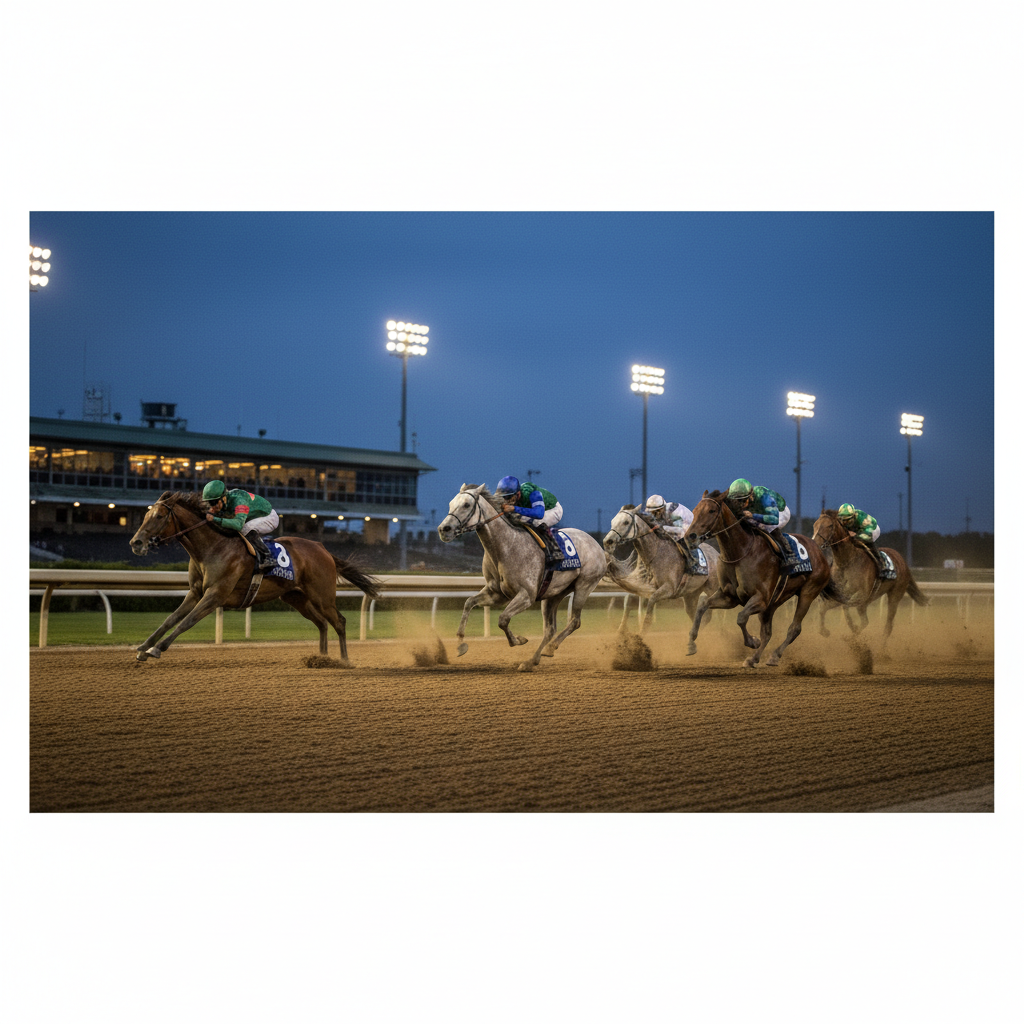
Bankroll Management for Horse Betting: Stay Sharp, Bet Smart
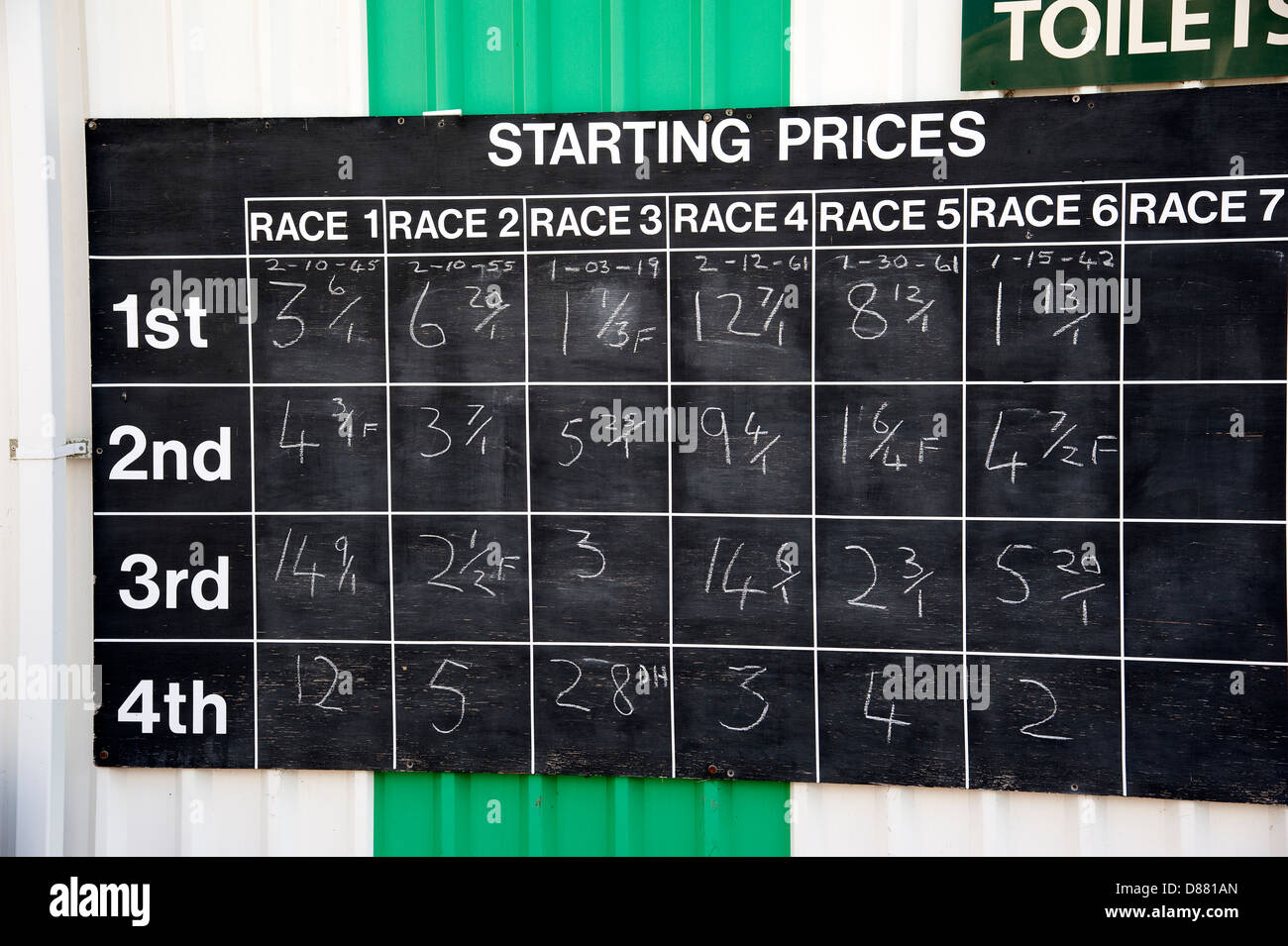
Introduction: Why Smart Bankroll Management Separates Winners from Losers
If you’re serious about winning in horse racing, let me be blunt—it’s not just about picking the right horse. Sure, handicapping matters, but even the best cappers are wrong more than they’re right. The real long-term winners are the ones who treat money like ammunition—carefully rationing it, picking their spots, and knowing when to aim and when to hold fire. That’s what bankroll management is all about.
Too many bettors light their stacks on fire within a week or two because they bet too much, chase losses, or scatter their wagers across mediocre opportunities. You wouldn’t play poker with your rent money. So why would you risk your grocery funds on a 12-horse claiming race at Mountaineer?
Bankroll management is your protection against variance, emotion, and the temptation to overbet. It’s your edge in a chaotic game. Think of it as both your insurance plan and your rocket fuel—guarding you from collapse while positioning you to take maximum advantage when your analysis gives you an edge.
In this definitive guide from HorsesBetting.com, we’ll walk through the practical systems the pros use to control their betting money, weather losing streaks, and capitalize on value. Whether you’re betting $20 a weekend or $2,000 a month, the rules are the same.
This guide is part of our full bettor education series. You can read the parent guide to horse race betting here.
Welcome to bankroll management—the smartest investment you’ll make in your horse betting career. Let’s get sharp.
The Basics: Understanding Bet Types and Bankroll Concepts
Before we get into the operational mindset of managing your betting account, you need to fully understand the tools of the trade. Horse racing offers a wealth of betting options, and how you deploy your money across these impacts both risk and reward.
Core Wager Types
- Win: Your horse must finish 1st. Easiest to understand, has the lowest variance. Best for beginners.
- Place: Your horse must finish 1st or 2nd. Lower payouts but more frequent cashes.
- Show: Your horse must finish 1st, 2nd, or 3rd. Lowest payout, but highest hit rate.
- Exacta: Pick the 1st and 2nd place horses in exact order. Harder to hit, but higher return.
- Trifecta: Pick the top 3 in correct order. Tough to win, but very lucrative when you do. Good for small-stake, high-reward bets.
As a beginner or intermediate bettor, your foundation should be built on straight bets (Win/Place/Show), gradually incorporating exotics as you develop more precise handicapping skills and bankroll padding.
Meet Your New Best Friend: The Bankroll
Your bankroll is the total amount of funds that you set aside exclusively for betting. Never mix this money with your main savings or monthly expenses. Successful betting starts by separating this cash mentally—and physically.
Say you’ve got $1,000 you’re willing to wager. That’s your bankroll. Every betting decision you make must tie back to protecting and growing this number, never compromising it with emotion or impulse.
Unit Sizing: The 2-5% Rule
Here’s the golden rule: never risk more than 2% to 5% of your total bankroll on a single race.
- Conservative: Bet 2% of bankroll per race.
- Aggressive: Bet 5% max during confident spots.
- Never go higher. Why? Because even strong handicapping produces lots of variance—a 0-for-5 streak is very common. Keeping bets small ensures you live to fight another day.
In summary: know your bets, know your bankroll, and know how much to bet per race. That is your foundation.
Strategic Analysis: Tactics for Smarter Handicapping and Money Management
With the basics locked in, it’s time to step up. Winning at the track comes down to three things: understanding odds, reading race conditions (aka “form”), and deploying your money where the value lives. Let’s dive deeper.
Reading the Odds: Know When You’re Paying Too Much
Odds are the price you’re paying, and just like grocery shopping, you can get ripped off. For example:
- Even odds (1/1): Bet $10 to win $10.
- 5/2 odds: Bet $10 to win $25.
- 10/1 odds: Bet $10 to win $100.
But here’s the trick—odds reflect the public’s opinion, not the actual probability of winning. That’s why sharp bettors look for “overlays”—horses whose true winning chances are higher than the odds suggest.
Let’s say you analyze a race and determine Horse X has a 25% chance to win. If the public makes him 5/1 (which implies a 16% chance), that’s value. You have a +EV (expected value) bet.
Analyzing Form and Track Conditions
Handicapping isn’t about picking names or “hunch” betting. It’s analytical. You need to consider:
- Speed figures: Numbers (like Beyer or Brisnet figures) that show how fast a horse has run.
- Surface form: How they perform on dirt vs turf.
- Distance specialization: A mile sprinter probably struggles at 1 ¼ mile.
- Off-track handle: Some horses thrive on wet/sloppy surfaces.
Don’t ignore track bias either. Some tracks favor early pace (speed), others reward closers. You can find this out by reviewing race replays and result patterns.
Your Core Weapon: Bankroll Strategy
Amateurs eyeball the board and bet on feel. Professionals calculate risk and only fire when value exists. That’s where bankroll management earns its keep.
Let’s go deeper on approach:
- Flat betting: You always wager the same amount, say $20, regardless of perceived edge.
- Percentage betting: Adjust based on bankroll size. More accurate, keeps risk proportional.
- Kelly Criterion: For sharp players, this formula helps bet bigger when edge is high. But it demands precise calculation of win probability.
Example: If your expected edge is 20% on a 3/1 horse and you determine a 30% win chance (vs implied 25%), a partial Kelly strategy suggests wagering approximately 2.5%-3% of your bankroll.
Too aggressive? Use fractional Kelly (50%) to reduce volatility.
Key Tip: Don’t Bet Every Race
You don’t beat the game by volume. You beat it by precision and patience. Identifying a race with no clear edge? Pass. Save your ammo.
Your goal isn’t constant action—it’s long-term capital growth.
Advanced Tactics: Sharpening the Edge
Now you’re managing risk and spotting value. Let’s look at advanced tactics that let skilled bettors push ahead of the public and make sharper calls.
Pace Analysis: Who Controls the Race?
The pace of a race—early speed versus closers—dictates a lot.
In a field with five front-runners, there’s likely to be a meltdown up front. That sets up well for deep closers. On the flip side, a lone early speed horse? He might go wire to wire if unchallenged.
Use past performances to identify early fractions and pace positions. Tools like BRISnet offer pace numbers to help with this analysis.
Smart bettors structure their tickets around the likely scenario:
- Lots of speed? Bet the stalker or closer.
- One speedball? Hammer it on top in exactas.
Jockey/Trainer Angles
Some combinations hit at high rates.
- Trainer win rates: Many sharp bettors look for trainers with high win % in a specific condition (e.g., first off layoff, turf to dirt, route to sprint).
- Jockey stats: Know which jockey excels at your chosen track. Look at their win %, ROI, and combo stats.
Tools like Equibase let you dig into these angles. A good combo might be 25% win rate from 20+ mounts. That’s not luck—that’s a signal.
Morning Line vs. Public Money
Look at the morning line odds set by the track’s handicapper. Then check the live odds as post time nears.
- Drop from morning line? Indicates public steam. May signal smart money.
- Risen odds? The public’s ignoring a horse. Could be overlay if your analysis still supports it.
Play against public bias when it creates opportunity—but only when your research backs it.
Where to Bet: Top US-Regulated Platforms for Horse Racing
Choosing the right platform to wager is just as important as who you bet on. Here’s the skinny on top-tier, legal online horse betting in the United States:
1. FanDuel Racing – Best App for Beginners
🏇 Bet Now & Get Bonus
Best For: Smooth mobile experience with clean UI.
Bonus: $20 No Sweat Bet.
Standout Features: Easy navigation, seamless deposit methods, live odds.
Why Choose It: Ideal for those learning the ropes. Tightly integrated with FanDuel Sportsbook.
2. TVG – Best for Live Track Coverage
🏇 Bet Now & Get Bonus
Best For: Watching and betting on live races globally.
Bonus: $200 Risk-Free Bet.
Standout Features: HD streaming, deep handicapping tools, expert picks.
Why Choose It: TVG’s racing pedigree offers an all-in-one betting + viewing experience.
3. AmWager – Best for Experienced Handicappers
🏇 Bet Now & Get Bonus
Best For: Detailed tools and cashback rewards.
Bonus: $250 Sign Up Bonus.
Standout Features: Advanced wagering mechanics, conditional bets, data filters.
Why Choose It: Designed for players who dig deep into statistics.
All platforms listed above are fully licensed, US-regulated, and offer secure payment options and fair odds.
FAQ: Common Betting Questions Answered
1. Is online horse betting legal in the US?
Yes. Online horse betting is federally legal under the Interstate Horseracing Act, but it must be offered through licensed ADWs. Always use US-regulated platforms like FanDuel Racing, TVG, or AmWager.
2. What’s the safest amount to start betting with?
Start with an amount you’d be fine losing, then use the 2-5% rule to size bets. $500 to $1,000 is a good bankroll to start applying strategies.
3. Are there betting apps for mobile users?
Absolutely. FanDuel Racing offers one of the best mobile apps, designed for new players. TVG and AmWager also provide excellent apps for in-race betting and analysis.
4. How are payouts calculated?
Payouts are based on pari-mutuel odds—meaning all bets are pooled, and payouts vary based on how much money is bet on each outcome. Calculators are available on all major ADWs.
5. How do I track my betting results?
Use a spreadsheet or specialized log app. Track race, bet type, odds, stake, result, and profit/loss. TVG and AmWager also provide wagering history downloads.
Glossary: 5 Must-Know Horse Racing Terms
- Bankroll — Your total pool of money set aside for betting purposes.
- Overlay — A horse whose odds suggest lower win probability than you believe it has; a +EV opportunity.
- Jog — A light gallop used in warmup; may reveal physical condition pre-race.
- Exacta — A bet where you must pick the 1st and 2nd horse in exact order.
- Form — The recent performance and physical readiness of a horse, typically evaluated via past performances.
Final Thoughts: Turn Discipline into Dollars
Bankroll management isn’t a sideshow—it IS the show. You could be the world’s best handicapper, but without disciplined money control, you’re headed for a crash. Conversely, many mid-tier bettors beat the game simply by keeping stakes controlled and losses sustainable.
Set your bankroll. Define your unit size. Pick your spots with ruthless selectivity. Cut dead weight bets. Track results religiously.
That’s how you stay sharp, bet smart—and win consistently.
Now get back to the form and start building proficiency the way pros do. Success at the track isn’t lucky. It’s disciplined.
Ready to bet smarter? Open accounts at top US-regulated ADWs: