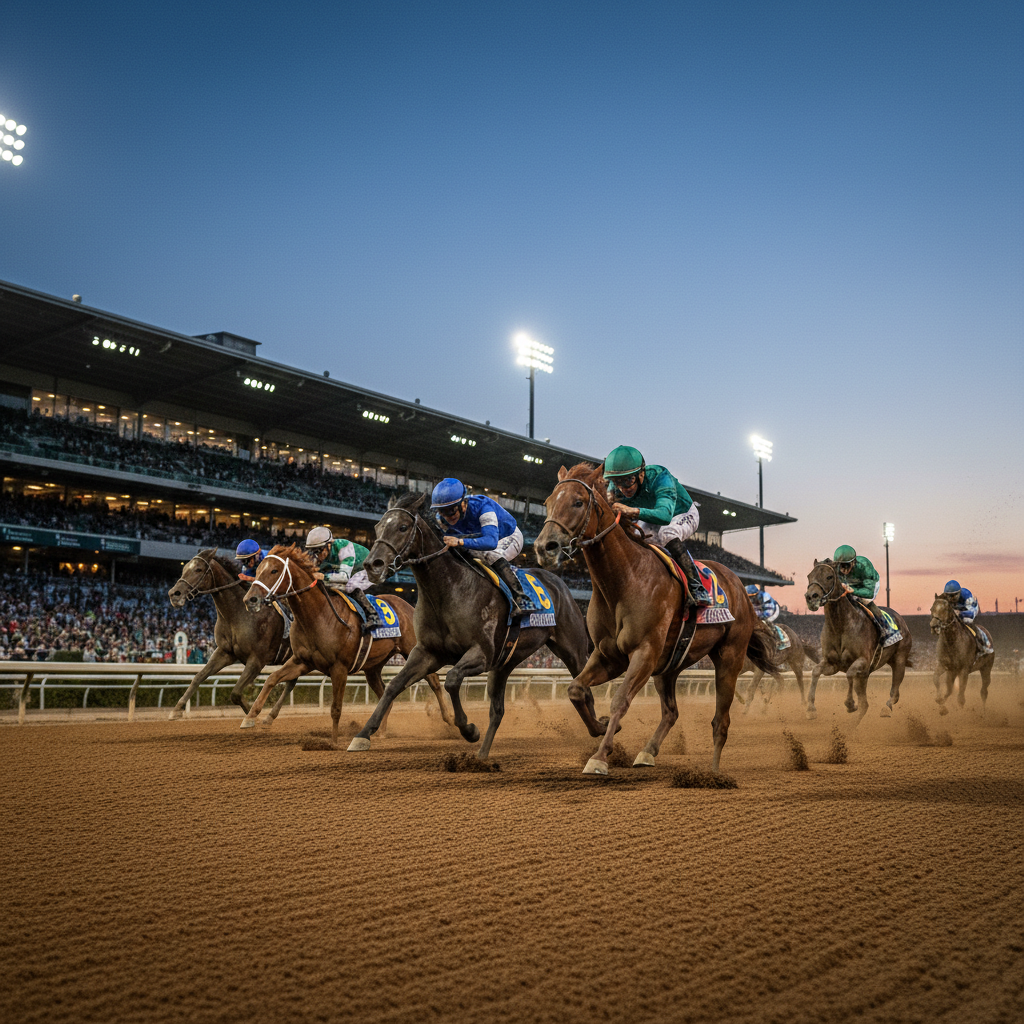
Horse Betting Explained Simply: Odds, Bet Types & Winning Examples
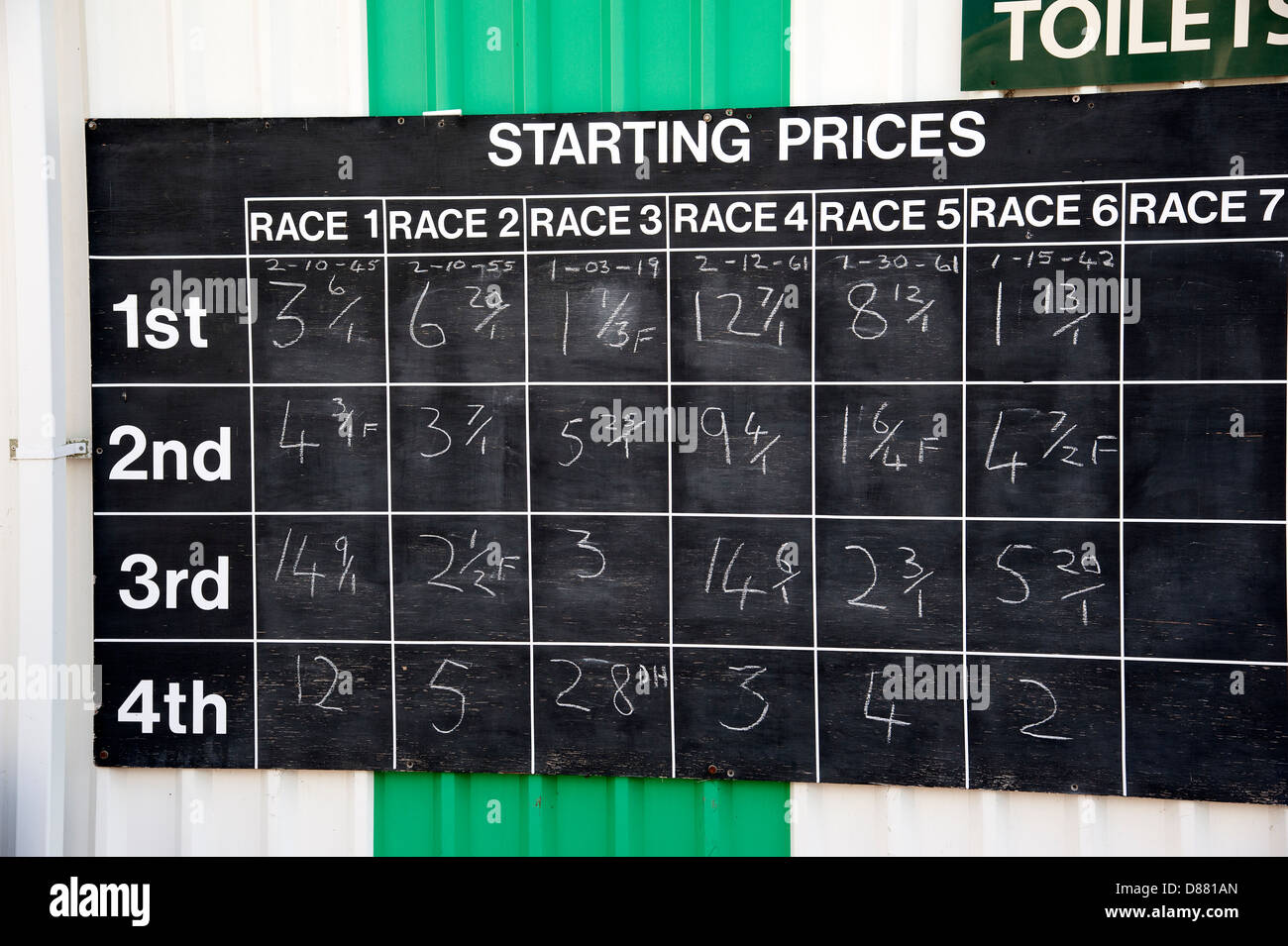
Introduction: Why This Guide Matters to Your Bottom Line (300 words)
If you’re new to horse betting—or you’ve dabbled a bit but never consistently turned a profit—this definitive guide is your launchpad. Horse racing is one of the oldest forms of legal wagering in America, but without real understanding, it’s easy to treat it like a guessing game. That’s how beginners burn their bankrolls. The good news? Horse betting isn’t just winnable—it’s beatable for those who know the language, track the data, and wager strategically.
This isn’t about picking the pretty gray or betting your birthday on post position five. This is about understanding how odds work, when to use certain bet types, and how to turn a $20 budget into a meaningful learning opportunity—or more.
This comprehensive guide walks you through everything: from reading the odds and placing your first bet to identifying pace advantages and understanding jockey/trainer patterns the right way. You’ll also learn how to avoid amateur mistakes—chasing long shots, wasting money across the board, and ignoring key conditions that influence a horse’s chance to win.
If you’re serious about becoming a sharper bettor, absorb every section. There’s no fluff—just real advice you can apply today.
👉 Want the deep-dive masterclass version of this article? Read our full Parent Guide: Understanding Horse Racing Betting: A Complete Guide
Let’s get to work.
The Basics: Bet Types, Odds, and How It All Works (400 words)
Before you can start winning at the track—or on your phone—you need to speak the language of horse betting. Let’s translate.
How Odds Work in Horse Racing
Horse betting uses pari-mutuel odds, which means all bets go into a pool. The track takes a percentage (called the “takeout”), and the remaining pool is split among winners. This means odds are not fixed—they change as money enters.
- Example: 5-1 odds mean you’ll net $5 for every $1 bet, plus your original stake.
- Odds shorten (e.g., from 6-1 to 3-1) when more people bet that horse.
- Final payouts aren’t known until betting closes.
Understanding odds isn’t just about payouts—it’s about probability. A horse at 2-1 odds is being implied by bettors to have a 33% chance of winning (1 ÷ (2+1)). Always invert and validate.
Straight Bets: The Foundation Every Bettor Must Master
These are your safest, most straightforward bets. Always start here.
- Win – Your horse must finish 1st. Highest reward, but also the highest risk.
- Place – Horse must finish 1st or 2nd. Lower risk than Win, but lower payout too.
- Show – Pays if your horse finishes 1st, 2nd or 3rd. Most forgiving—but often gives minimal returns.
The key payoff ratio for favorites:
- Win ~33%
- Place ~53%
- Show ~67%
Across-The-Board Betting
This means making three straight bets on one horse: Win, Place, and Show. A $2 across-the-board bet costs $6. If your horse finishes:
- 1st: You win all three
- 2nd: You win Place and Show; lose Win
- 3rd: You win Show only
Betting across the board often loses money unless the odds are high enough to exceed your investment.
Exotic Bets (More Risk, More Reward)
Once you’re comfortable, move here.
- Exacta: Pick the 1st and 2nd place horses — in correct order.
- Trifecta: Predict 1st-2nd-3rd — in exact order.
- Superfecta: Add 4th place. More payout. More risk.
- Quinella: Pick two horses to finish 1st and 2nd—in any order.
- Daily Double / Pick 3-6s: Select winners across consecutive races.
Exotics pay bigger, cost more, and are harder to hit. Know your edge before investing.
Strategic Analysis: How to Bet Smarter Than 90% of People at the Track (500 words)
What separates casual bettors from winners? Strategy. Let’s break it down systematically.
1. How to Read the Odds Correctly
Every odds line reflects not just expected payout—but implied probability.
- Formula: Implied Probability (%) = 1 / (Odds + 1)
- Example: 5-1 odds → 1 ÷ (5+1) = 16.7%
Now reverse engineer it. If you think a horse has a 25% winning chance but it’s listed at 5-1 (16.7%), that’s value. Bet it. That’s where sharp bettors make their money.
Always ask: “Does the horse’s actual win chance exceed the public’s estimate?”
2. Analyzing Form and Track Conditions
Key data points from the Racing Form:
- Past Performance Times: Compare their prior efforts at today’s distance and surface.
- Speed Figures: Many use Beyer Ratings. Higher is better. Context matters—figure inflation can occur on biased tracks.
- Post Position Bias: On some turf or inside rail days, certain gates produce more winners.
- Track Condition: Is it fast, sloppy, muddy, or firm? Horses have preferences—and wet tracks crush long-striding types who need firm footing.
Create your checklist:
- Proven at today’s distance/surface?
- Demonstrated early speed or closing kick?
- Form cycle: is horse peaking, regressing, returning off layoff?
Watch race replays. Often the form can’t explain how badly a horse got blocked—or how easily they moved into contention late.
3. Understanding Running Style and Pace
Races aren’t just won by the fastest horse, but by the right pace setup. Evaluate:
- Front-runner (Speed): Wants the lead early.
- Stalker: Hangs close—strikes late.
- Closer: Sits back until the final turn.
If the field has five front-runners, the speed collapses, and closers benefit. If only one horse wants the lead, they can wire the field.
Track bias also matters:
- Is the surface favoring early speed or deep closers this week?
- Is the rail faster (known as a “golden rail”)?
Pace + Bias = Opportunity.
4. Smart Money Management (Bankroll Strategy)
This might be the most ignored key.
- Begin with a dedicated bankroll. Never bet rent money.
- Flat Bet Strategy: Bet same amount (say, $2 or $5) regardless of confidence—ideal for beginners.
- Kelly Criterion: Advanced method that scales your bets based on perceived edge.
Golden rule: Never bet more than 3% of your bankroll on a single race when starting out.
Avoid these common bankroll killers:
- Chasing losses with bigger bets.
- Spreading thin on exotic boxes.
- Betting just to “have action” in every race.
Value > Volume. Always.
Advanced Tactics to Beat the Public (400 words)
Intermediate and experienced players: this section’s for you.
1. Pace Flow and Race Shape Visualization
Use TimeformUS or BRIS pace ratings to isolate where each horse projects early.
- Build a simple flowchart: label each runner (E – early, P – presser, S – closer).
- Visualize the chaos. Will two E types burn each other out?
- Look for lone speed—a solo front-runner often wins unchallenged.
Tip: Use pace collapse races to back longshot closers who’ll be flying late.
2. Jockey/Trainer Angles That Matter
Casual bettors overlook the power of human connections.
- Trainer patterns: Safe barn (e.g. Chad Brown on turf), hot form (20%+ recent win), aggressive placement (class drop).
- Jockey switches: Sharp increase if rider upgrade is clear.
- Trainer/jockey combos hitting at 25%+ over past 12 months? That’s signal, not noise.
Also research:
- Who wins when debuting horses?
- Who dominates off layoffs (45+ days)?
- Turf specialists vs dirt conditioners?
These sharp angles identify hidden value the public often misses.
3. Finding Value in the Morning Line
Morning Line odds are posted by track handicappers—not bettors. Treat them as opinion, not prophecy.
- If you rate a horse better than 8-1 but the morning line is 15-1, and you like the trainer/pace combo—back it.
- Once live odds drop below the expected value (EV)—walk away. Never sacrifice value for action.
Look for mispriced horses sitting above their realistic win probabilities with positive trainer/jockey/pace indicators.
Where to Bet: Best US-Regulated Online Platforms
In 2024, mobile betting is king. Here’s our no-fluff recommendation list:
| Platform | Best For | Bonus | Why It Matters |
|---|---|---|---|
| DK Horse | Trusted interface + DraftKings powerhouse | 100% Deposit Match up to $250 | Backed by a DFS giant. Fast deposits, clean UI, great for serious play. |
| FanDuel Racing | Best Mobile App for New Bettors | $20 No Sweat Bet | Perfect for beginners. Simple navigation and tutorials built in. |
| AmWager | Pro Tools + Rebates | Up to $250 Signup Bonus | Offers advanced charts, stats, and rebates others don’t. Best for sharp handicappers. |
All three are 100% US regulated—no offshore traps.
FAQ: Horse Betting Questions Answered
- Is it legal to bet on horses online in the US?
Yes. Platforms like DK Horse, FanDuel Racing, and AmWager are all licensed and legal in over 30 states.
- What’s the minimum amount I can bet?
Straight bets often start at $1 or $2. Exotics like Trifectas or Pick 3s sometimes go as low as $0.50.
- Can I use mobile apps to bet on live races?
Absolutely. DK Horse and FanDuel Racing both offer real-time wagers, results, and streaming via app.
- How are payouts calculated?
Horse racing uses a pari-mutuel system. Your payout depends on the size of the betting pool shared among winners—odds fluctuate until post time.
- What’s the difference between Exacta and Quinella?
An Exacta requires picking the exact order of first and second horses. A Quinella allows those two horses to finish in any order.
Glossary: Key Horse Racing Terms
- Pari-Mutuel: A pool-based betting system where winners share the pot, minus a cut by the track.
- Post Position: The stall number a horse breaks from at the start of the race. Can influence early position.
- Morning Line: The track’s prediction of odds before betting opens—used as a starting point, not a guarantee.
- Speed Figures: A numerical rating based on a horse’s finishing time compared to others. Used to compare performances.
- Track Bias: When parts of the track (inside/outside) or specific running styles (front-runners/closers) show an advantage over time.
📌 Ready to bet smart? Open your account at DK Horse, FanDuel Racing, or AmWager and get those signup bonuses while you sharpen your edge.
Horse betting rewards deep knowledge, patient strategy, and unemotional execution. Now you’ve got the foundation—time to put it to work.